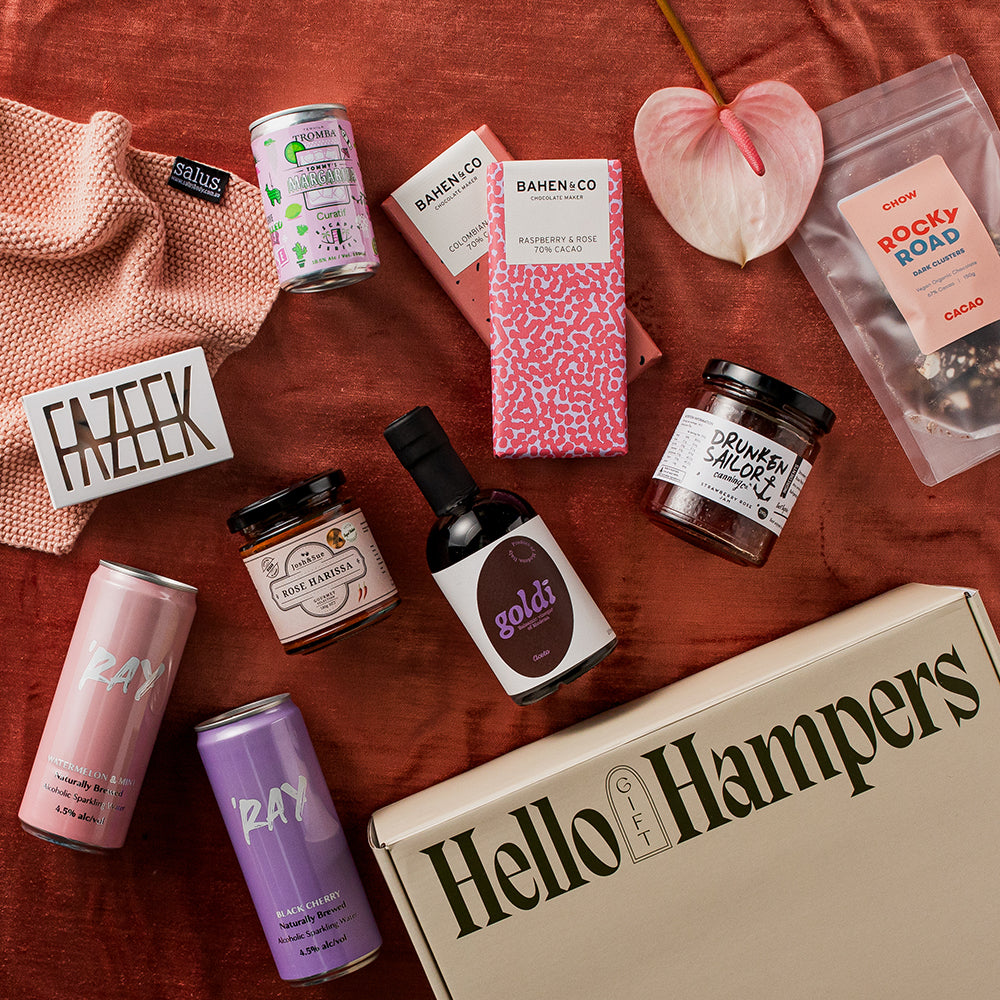
When you’re hunting for a thoughtful present that says “I care,” the Australian gift hamper often tops the list. It’s a bundle of goodies, a visual feast that can be tailored to any occasion. But what happens when the hamper you love has no sustainability certification? Does that mean it’s automatically a bad choice, or is there a middle ground? Let’s unpack the facts, the hampers for her Australia myths, and the practical tips to make a smart decision without compromising style—or the planet.
Why Sustainability Certification Matters
The Basics of Eco‑Friendly Packaging
In a world where plastic waste is a headline every day, many consumers now ask: “Is this product environmentally responsible?” A sustainability certification, such as the Forest Stewardship Council (FSC) or the Global Organic Textile Standard (GOTS), signals that the hamper’s materials and production processes meet strict ecological criteria. Without such a badge, you’re left with a blank canvas—no guarantee that the cardboard is recycled, the glue is biodegradable, or the chocolate inside was sourced ethically.
The “No Certification” Gap
When a hamper carries the label Australian gift hamper no sustainability certification, it simply means the product hasn’t been audited by an independent body. That doesn’t automatically spell doom; it just removes a layer of transparency. Think of it as buying a car that hasn’t passed a recent emissions test—you still get a ride, but you don’t know how clean it is.
What You Can Do Without a Certification
Ask the Right Questions
- “What type of cardboard is used? Recycled, recyclable, or virgin?” “Are the contents sourced from local Australian producers?” “Does the packaging contain any harmful chemicals?”
These questions can often be answered directly by the retailer or manufacturer. A quick phone call or a glance at the product page may reveal hidden eco‑friendly practices that certification simply doesn’t capture.
Look for Alternative Green Signals
Even if a hamper lacks formal certification, many brands voluntarily adopt eco‑friendly practices. Check for:
- Recycled or recyclable packaging Organic or fair‑trade ingredients Local sourcing to cut down on transportation emissions Minimalist design that reduces material use
A quick scan of product descriptions or the “About” section on a brand’s website can uncover these green flags.
Balancing Taste and Sustainability
The Flavor vs. Footprint Debate
Imagine a decadent chocolate truffle wrapped in glossy paper. The taste is irresistible, but the packaging may be a carbon sink. The question is: Do you sacrifice a few ounces of pleasure for a cleaner planet? The answer depends on your priorities and the occasion. For a birthday, a lavish hamper might feel more celebratory, while a corporate gift could lean toward a greener image.

A Light‑Hearted Metaphor
Think of the hamper like a well‑seasoned stew: the ingredients (sustainability, taste, presentation) must simmer together. If one element is missing, the dish still tastes good, but it lacks that extra “umami” of responsibility.
Anecdote: The Hamper That Almost Was
Last summer, a friend of mine ordered an Australian gift hamper from a boutique retailer for her sister’s wedding. The hamper was gorgeous, but the packaging looked like it belonged in a 1970s office. When she called the seller, they confessed the cardboard was from a single‑use source. Instead of returning it, my friend chose to re‑wrap the hamper in a reusable canvas tote she’d found at a local market. The result? A unique, eco‑friendly gift that turned heads at the reception. Moral of the story: creativity can turn a non‑certified hamper into a sustainable statement.
Quote to Keep in Mind
> “Sustainability is not a trend; it’s a responsibility.” – Unknown
This reminder echoes through every decision about packaging, especially when certification is absent.
Rhetorical Questions to Ponder
- Is a gift’s value measured by its taste or its impact? Can a non‑certified hamper still convey a message of care and conscience? What if the best choice is to buy less, but choose better?
These questions help frame the conversation around what “good” really means for you and the planet.
How to Choose the Right Hamper
Step 1: Define Your Priorities
- Taste & Variety – Do you want a wide range of gourmet items? Presentation – Is the visual appeal a must? Eco‑Responsibility – How important is the environmental impact?
Step 2: Research Brands
Create a shortlist of brands that offer Australian gift hampers. Look for:
- Transparent ingredient lists Local sourcing statements Customer reviews focusing on packaging
Step 3: Evaluate the Packaging
Even if the hamper lacks a sustainability certification, you can still assess:
- Material type – Is it recyclable? Durability – Will it hold up during transport? Reusability – Can the container be repurposed?
Step 4: Make an Informed Decision
If the hamper meets your taste and presentation goals but falls short on eco‑credentials, consider:
- Adding a reusable gift wrap Pairing it with a small plant or seed packet Supporting the brand’s future sustainability initiatives
The Bottom Line: Making Your Selection Count
Choosing an Australian gift hamper without a sustainability certification doesn’t have to be a gray area. By asking the right questions, seeking alternative green signals, and balancing flavor with responsibility, you can still deliver a memorable gift that respects both the recipient and the planet. Remember, every small choice adds up—just like a well‑packed hamper that’s thoughtfully wrapped, it’s a testament to your care, both personal and environmental.
Take the next step: explore local Australian brands, read the fine print, and decide what feels right for you. After all, a great gift is one that brings joy and leaves a lighter footprint.